Retail and service landscapes are growing, and so are the tools that enable these. The current POS system is the mainstay of this change. It’s a combination of sytems and equipment that transcend cash registers receipts and other fundamental features. It isn’t the only thing to consider. The point of sale experience today is all about operational intelligence as well as customer insight. It also requires seamless integration of all aspects of your business.
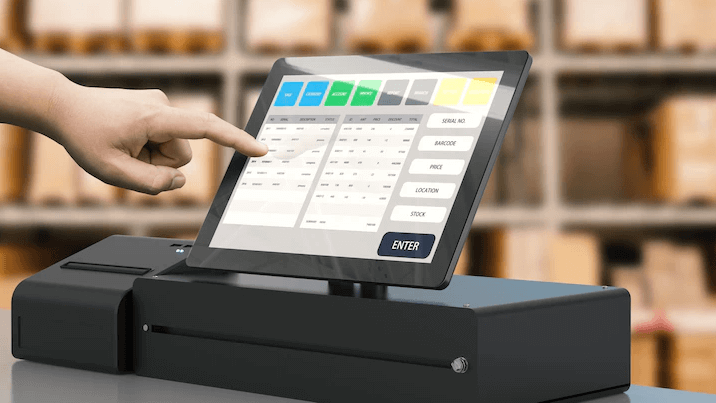
POS Software: The Heart of the System
Point of Sale POS software is a command center that is able to manage basic transactions. It keeps track of inventory sold, adjusts stock levels automatically and provides alerts when stocks of products are at a low level. It records the history of sales and customer preferences. Every transaction is transformed into useful data that can be used in future purchasing decisions and marketing.
One of the least-known characteristics of a great POS system is its capacity to connect the dots among different departments. Certain systems, instead of taking care of payroll on its own, offer time clock functions that directly inform the employee’s schedule and calculate wages. This results in a more efficient process and less headaches for the administrator.
For companies that have an offline and a physical presence, today’s POS software comes with vital syncing capabilities. Products listed in-store can mirror what’s on the internet in real time, preventing double-selling or stock mismatches. With the shift towards shopping with a hybrid approach where customers browse online and then purchase items in stores, this integrated approach becomes vital.
Why Integration Matters More Than Ever
Integration is where the modern POS point of sale system system truly shines. The days of managing multiple tools that do not “talk” to one another. The strength of a reliable POS platform is in the ease with which it connects sales, inventory, staff management and even accounting.
Think about customer experience, for instance. The customer can be notified of their loyalty points at the time of checkout, and receive discounts and an eReceipt via email without any delays. Backend, this sale update revenue totals and stock availability and daily reports. This allows for a more personalized shopping experience, as well as reducing mistakes and manual input.
This kind of knowledge can be invaluable for the business owner and manager. This accurate, real-time data permits managers to react faster to changes in patterns of demand, to adjust pricing strategies and to staff their teams according to peak times.
A monetary investment that pays off in the long run
There are many reasons businesses are investing more in POS software. They provide measurable ROI. Not only in speed or accuracy, but because they facilitate better decision-making and growth over the long term. A well-implemented Point of Sale system will allow you to streamline your operations and identify patterns that you might have missed.
Moreover, as consumer expectations grow, a new point of sale system becomes a silent but powerful part of the customer experience. Customers now expect quick checkouts, accurate updates of inventory and the capability to pay via digital payment. Companies that are able to meet these aspects build confidence and attract repeat customers.
Final Thoughts
Modern POS system is more than just a cash-out tool. It’s a bridge that connects your employees, your product and customers. A POS system that’s suitable for your company will help you make better decisions and increase efficiency.
In a highly competitive marketplace staying ahead of the curve means being well-informed, agile and focusing on customer satisfaction. If you have a sophisticated and a well-integrated POS system on your side, not only are you making sales, but you are also making something lasting.